THE TEAM THROUGH DEVELOPMENT
The work moves. The team changes focus.
Follow who contributes, what they hand over, and whose decision moves the work forward. People return when new evidence changes an earlier decision.
The Client decides the product priorities. Contributors bring designs, working software, and evidence. Someone must own the service after opening. Roles can overlap; an unassigned responsibility still needs an owner.
WHO DOES WHAT / STAGE 01
Discover what the work really needs.

Client
Names the useful outcome and priorities.

Senior Administrator
Shows real staff work and exceptions.

Analyst
Separates observed cases from assumptions.
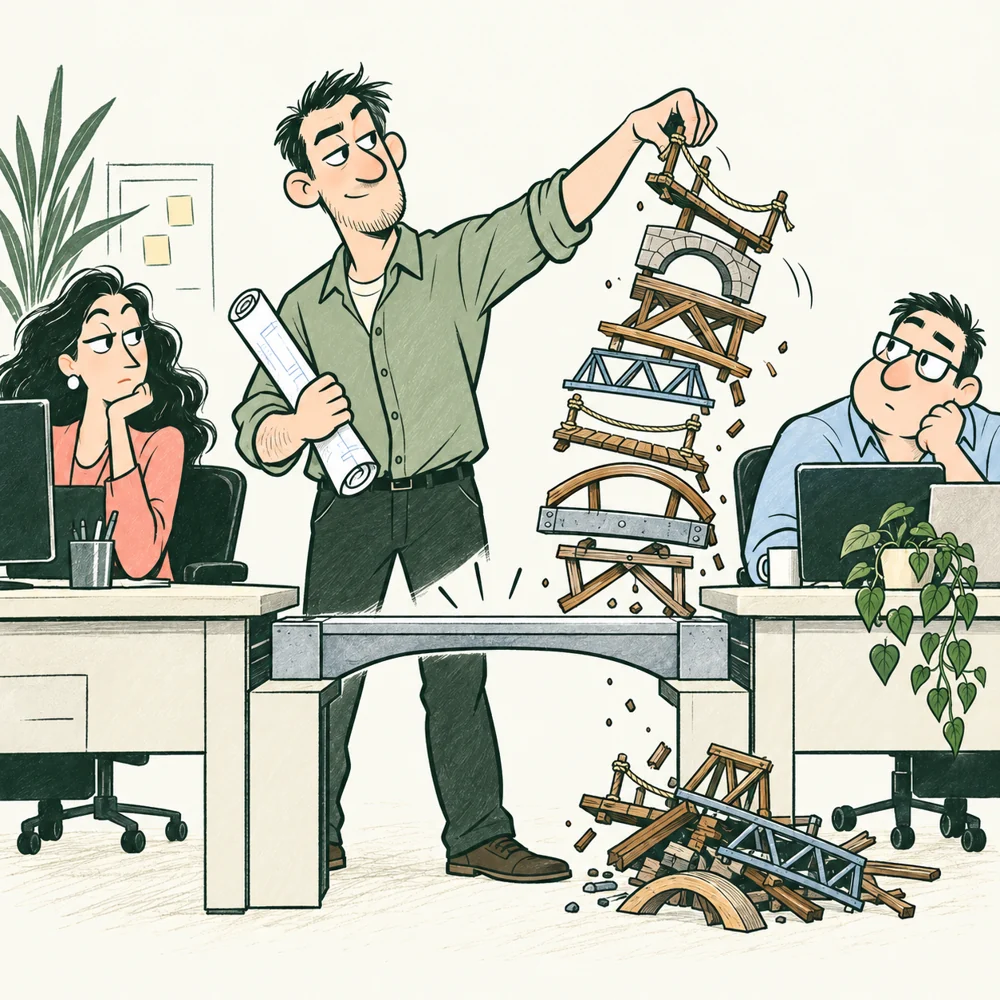
Tech Lead
Inspects the prototype and technical risks.

Tester
Reproduces the failures on a named version.
THE HANDOFF
Current cases + prototype evidence → an agreed starting point
The Analyst joins working cases with the Tech Lead's inventory and the Tester's evidence. The Client decides which difficulty the next stage must address.
Work with: Project Manager, Designer, Security Engineer.
Additional expertise when the work needs it: User Researcher, Business Analyst, Product Manager.
See the team across all eight stages →WHO DOES WHAT / STAGE 02
Turn the need into decisions the team can use.
Client
Approves priorities and operating rules.
Analyst
Writes scope, states, exceptions, and acceptance criteria.
Tech Lead
Checks feasibility and dependencies.
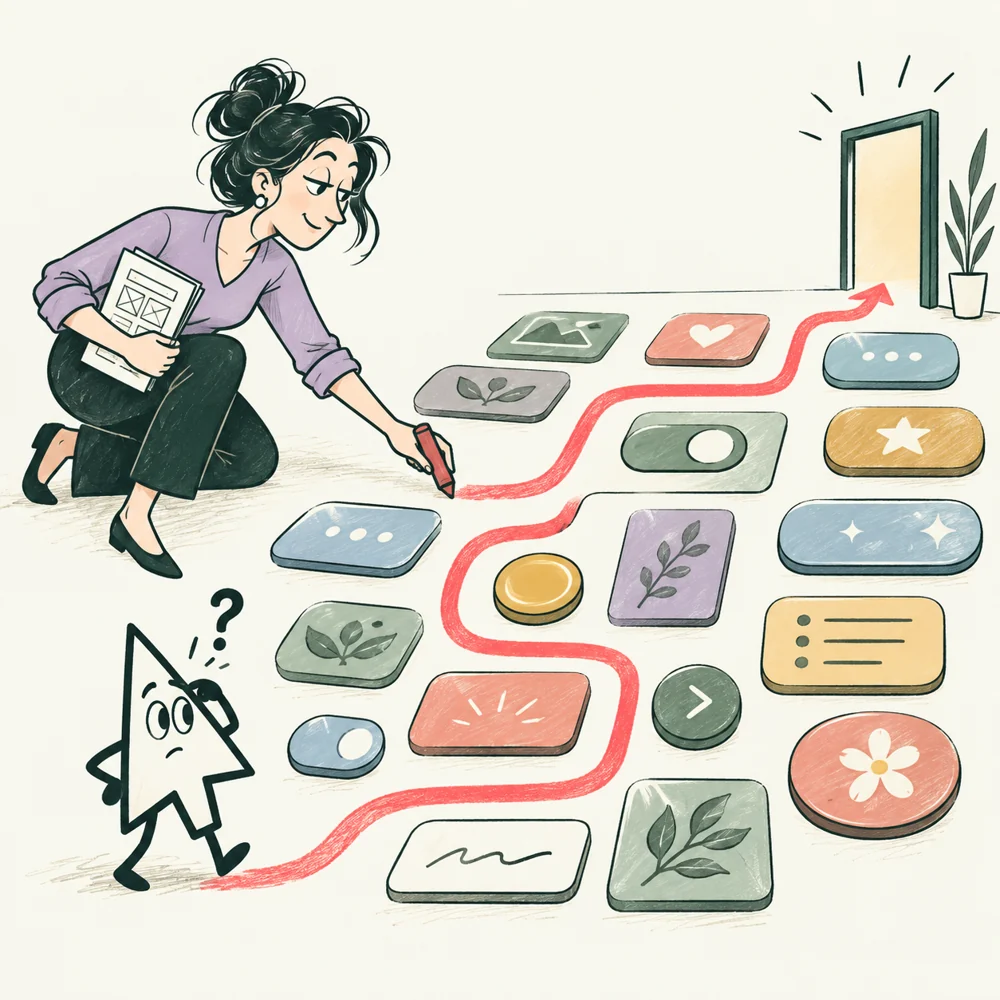
Designer
Makes the main task and unclear states visible.
Tester
Turns each promise into a checkable example.
THE HANDOFF
Approved rules + acceptance criteria → design and test planning
The Client settles product decisions. The Analyst passes approved rules and open questions to design, implementation, and testing.
Work with: Project Manager, Senior Administrator, Backend Developer, Security Engineer.
Additional expertise when the work needs it: Product Owner, Systems Analyst, Business Analyst.
See the team across all eight stages →WHO DOES WHAT / STAGE 03
Connect the screens, rules, and system.
Designer
Specifies flow, controls, content, and failure states.
Tech Lead
Chooses components and records the tradeoffs.

Frontend Developer
Checks how states and data reach the interface.
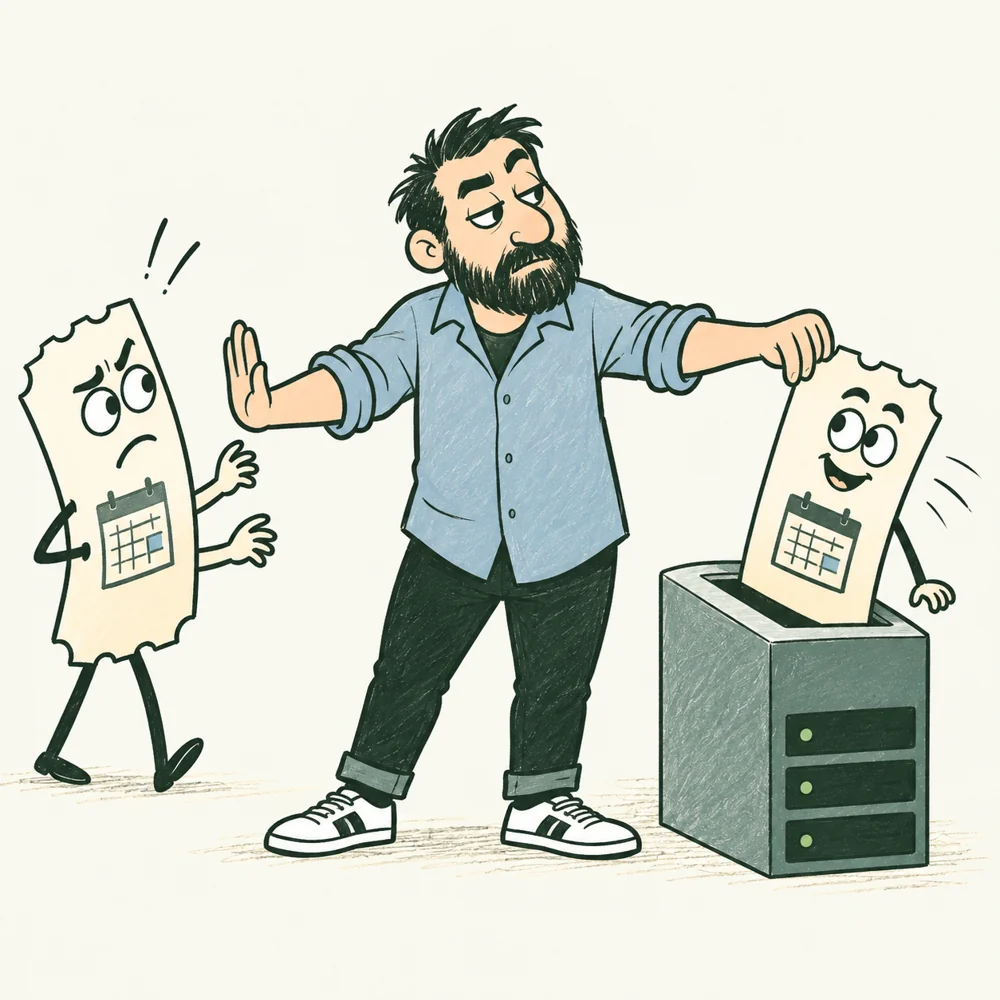
Backend Developer
Defines shared operations and data changes.
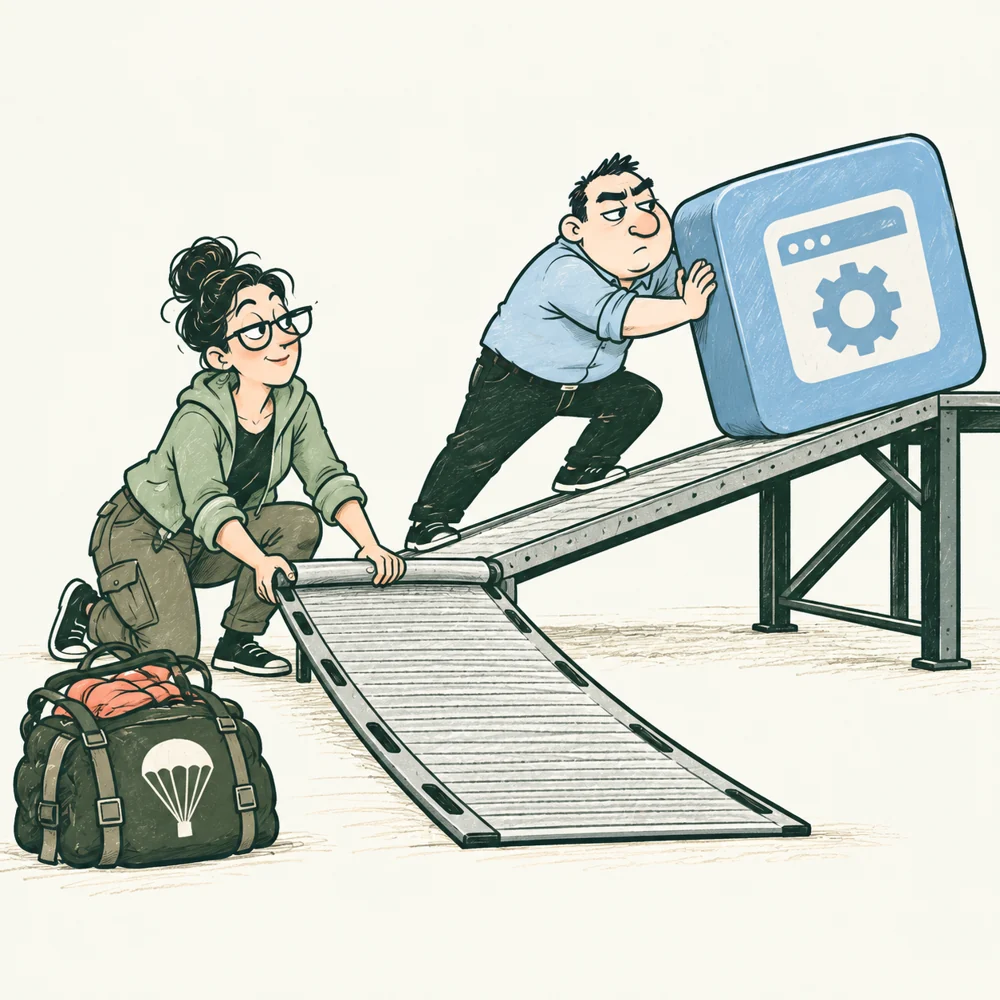
DevOps Engineer
Checks environments, deployment, and recovery needs.
THE HANDOFF
Flow + states + component decisions → implementable work
The Designer hands interaction states to the Frontend Developer. The Tech Lead and Backend Developer agree on operations; the Tester checks that the design can satisfy the criteria.
Work with: Analyst, Tester, Security Engineer, Senior Administrator.
Additional expertise when the work needs it: UX Designer, UI Designer, UI Engineer, Software Architect, Data and Database Specialist.
See the team across all eight stages →WHO DOES WHAT / STAGE 04
Build a complete path through the product.
Frontend Developer
Builds browser behavior and shows actual server outcomes.
Backend Developer
Implements rules, permissions, and durable work.
Tech Lead
Reviews how the pieces fit together.
Tester
Checks each integrated change and reports reproducible failures.
DevOps Engineer
Maintains repeatable builds and test environments.
THE HANDOFF
Integrated change → observed result → correction and repeat
Developers integrate one usable path. The Tester checks the named build, then sends any difference back with conditions and records.
Work with: Designer, Analyst, Project Manager, Security Engineer.
Additional expertise when the work needs it: UI Engineer, Full-Stack Developer, Mobile Developer, Test Automation Engineer, Systems Analyst.
See the team across all eight stages →WHO DOES WHAT / STAGE 05
Test the promises and the costly failures.
Tester
Runs the agreed checks and records scope and results.

Security Engineer
Tests forbidden and permitted operations directly.
Backend Developer
Corrects server and data failures.
Frontend Developer
Corrects interface behavior and status messages.
DevOps Engineer
Rehearses response and recovery.
THE HANDOFF
Test evidence + open issues → acceptance discussion
Findings return to the owner of the rule, design, implementation, or operating procedure. The Tester repeats affected checks on the corrected candidate.
Work with: Tech Lead, Analyst, Designer, Senior Administrator.
Additional expertise when the work needs it: Test Automation Engineer, Data and Database Specialist, Site Reliability Engineer.
See the team across all eight stages →WHO DOES WHAT / STAGE 06
Watch real work within a controlled boundary.
Senior Administrator
Coordinates staff work and records misunderstandings.
Designer
Observes whether people can finish without coaching.
Analyst
Distinguishes a confusing screen from an incorrect rule.
Tester
Rechecks corrections on the pilot candidate.
Client
Accepts the agreed results and decides priorities.
THE HANDOFF
Pilot observations + repeat checks → accepted scope
Customers and service providers try the tasks. The Senior Administrator brings observations back; the team corrects the cause and repeats the affected checks.
Work with: Project Manager, Tech Lead, Frontend Developer, Backend Developer, Support Specialist.
Additional expertise when the work needs it: User Researcher, UX Designer, Product Analyst.
See the team across all eight stages →WHO DOES WHAT / STAGE 07
Make the opening decision with operating evidence.
Client
Decides whether the agreed opening conditions are met.
Tech Lead
Brings technical readiness and remaining issues.
Tester
Identifies the verified candidate and unresolved checks.
DevOps Engineer
Executes the release, recovery, and response preparation.
Senior Administrator
Owns the studio handover and unfinished customer work.
THE HANDOFF
Accepted candidate + operating readiness → controlled opening
The Client makes the opening decision from the evidence. The release owner deploys the agreed candidate; technical and studio responders take over their assigned work.
Work with: Project Manager, Backend Developer, Frontend Developer, Security Engineer, Support Specialist.
Additional expertise when the work needs it: Site Reliability Engineer, Data and Database Specialist, Mobile Developer.
See the team across all eight stages →WHO DOES WHAT / STAGE 08
Keep the service usable and learn from it.
Senior Administrator
Routes unfinished work and staff exceptions.
DevOps Engineer
Monitors, responds, restores, and hands over incidents.

Support Specialist
Captures useful reports and escalates beyond its authority.
Client
Chooses the next improvement from observed needs.
Project Manager
Connects new work to owners, decisions, and review points.
THE HANDOFF
Observed use + incidents → prioritized work → another checked change
Support and operating observations become owned changes. New changes return through the relevant rule, design, build, and test steps before release.
Work with: Tech Lead, Backend Developer, Frontend Developer, Tester, Security Engineer.
Additional expertise when the work needs it: Site Reliability Engineer, Product Analyst, Product Manager, Data and Database Specialist.
See the team across all eight stages →The solo route still contains these functions.
When working with AI, the Client moves between analysis, design, implementation, and checking. A role prompt focuses the task; competence and observed results still matter. In Rewind, the Technical Consultant checks the critical questions before the bounded Studio A pilot.
Explore working with AI