STAGE 03 / CHAPTERS 9-12
Design the system
Connect the user journey, interface states, data, and external services before building them together.
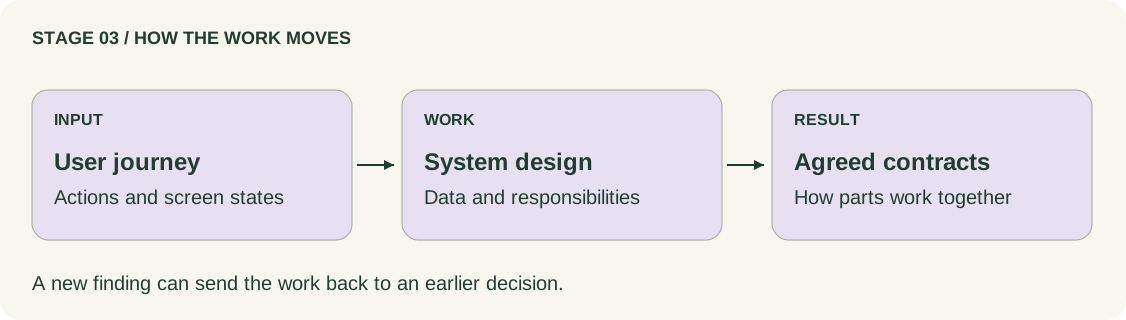
THE WORK TO DO
- 01
Map what people see while an action succeeds, waits, or fails. Include keyboard use and recovery from interruption.
- 02
Define who owns each record and how conflicting changes are handled. Compare structures that fit the team and operating needs.
- 03
Trace each external exchange, repeated result, and uncertain outcome. Assign both automatic handling and human follow-up.

WHAT YOU LEAVE WITH
A system diagram, data and state models, interface designs, and integration rules.
BEFORE MOVING FORWARD
The design explains ownership and what happens on conflict, expiry, interruption, and repetition.
A short protected change claims the provider interval. The customer then pays while a saved hold exists; the database is not locked for ten minutes.
WHO DOES WHAT / STAGE 03
Connect the screens, rules, and system.

Designer
Specifies flow, controls, content, and failure states.
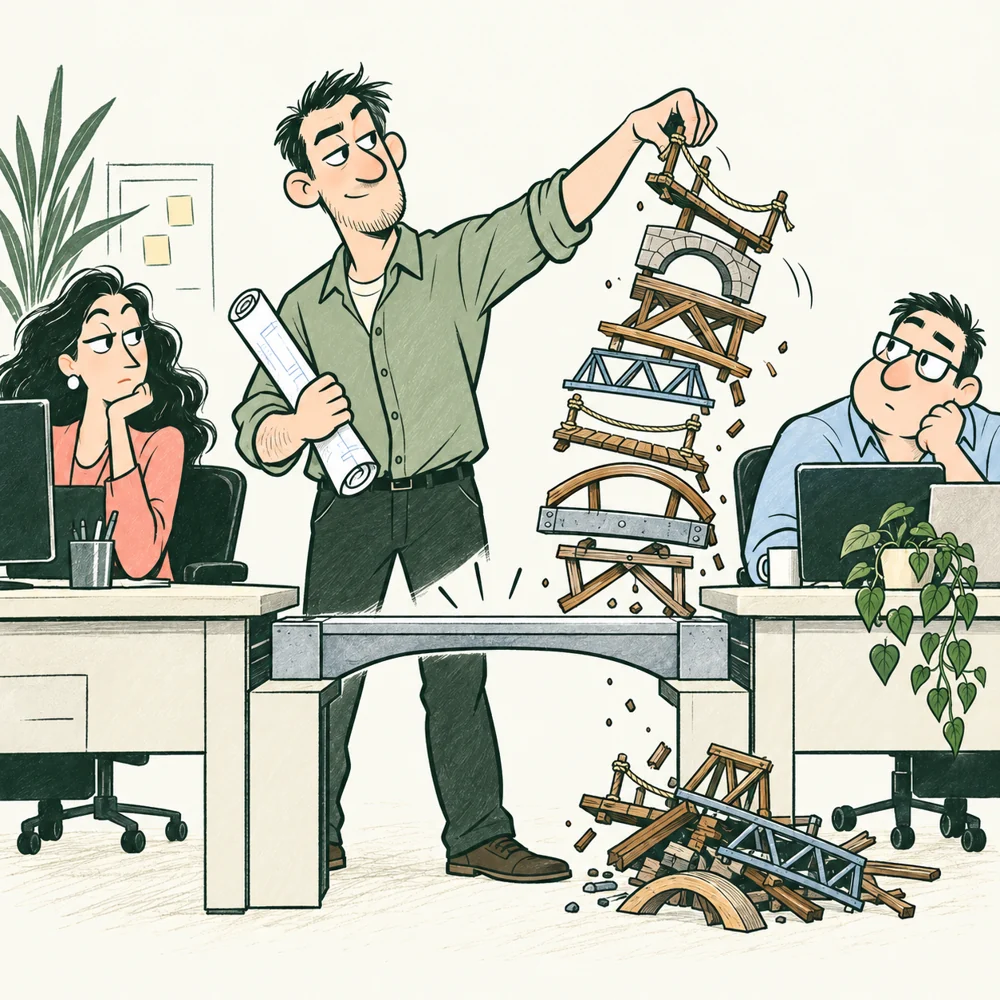
Tech Lead
Chooses components and records the tradeoffs.

Frontend Developer
Checks how states and data reach the interface.
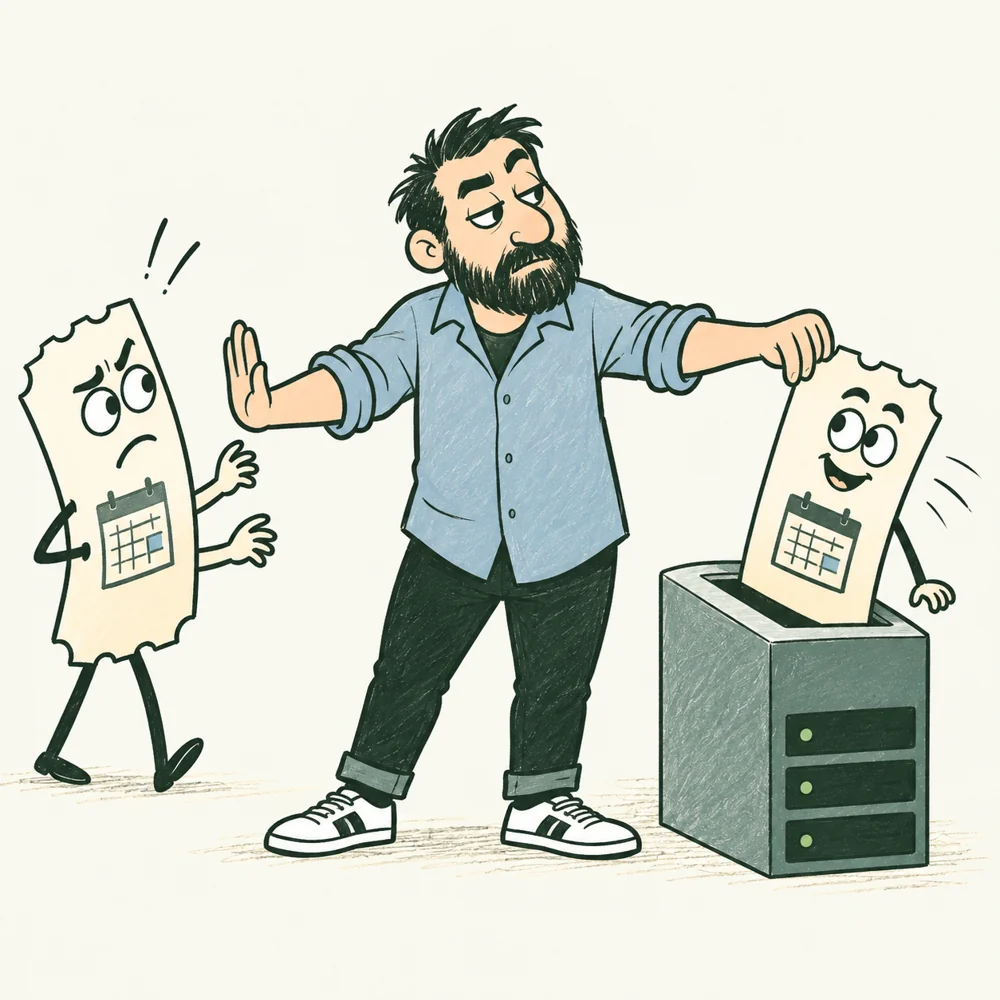
Backend Developer
Defines shared operations and data changes.
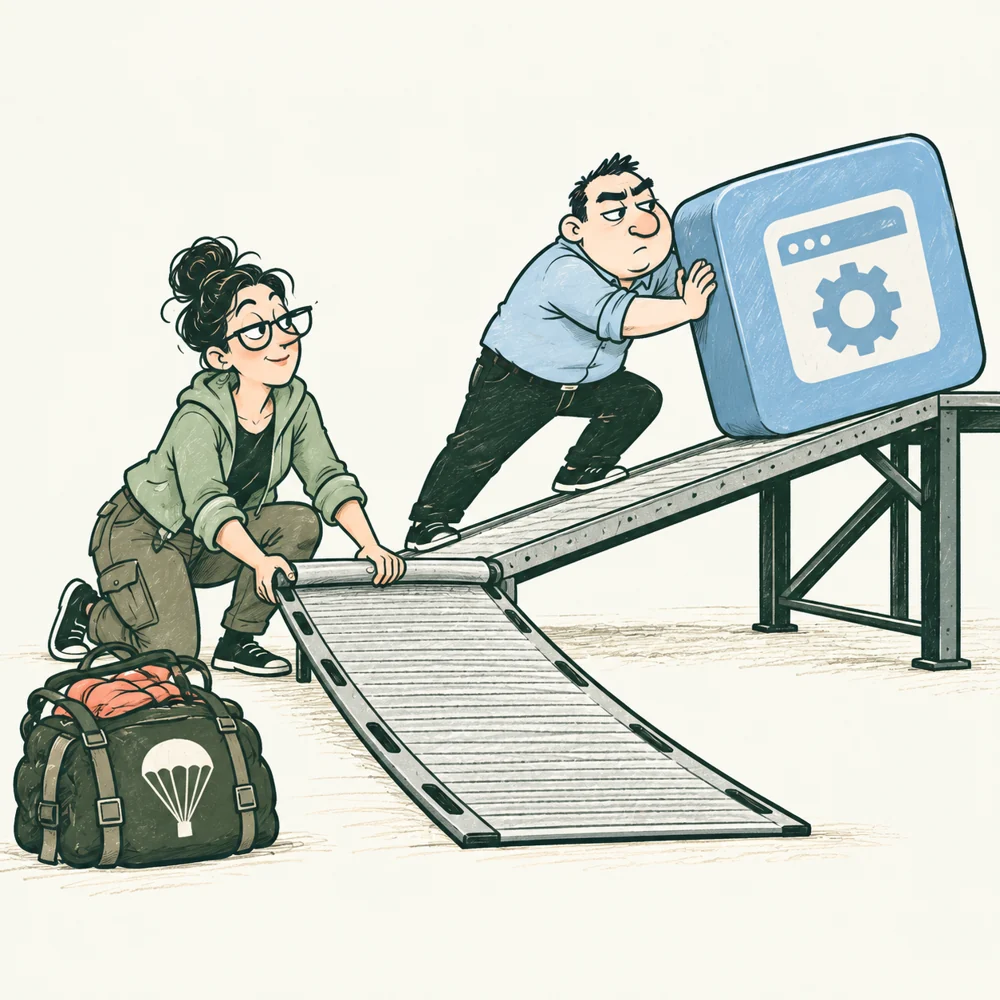
DevOps Engineer
Checks environments, deployment, and recovery needs.
THE HANDOFF
Flow + states + component decisions → implementable work
The Designer hands interaction states to the Frontend Developer. The Tech Lead and Backend Developer agree on operations; the Tester checks that the design can satisfy the criteria.
Work with: Analyst, Tester, Security Engineer, Senior Administrator.
Additional expertise when the work needs it: UX Designer, UI Designer, UI Engineer, Software Architect, Data and Database Specialist.
See the team across all eight stages →